

Highguard studio Wildlight confirms major layoffs, core team remains
Shooter launched less than a month ago as layoffs hit most of the development team

Studio confirms workforce reduction#
Wildlight Entertainment has officially confirmed major layoffs at the studio, affecting most of the team behind tactical shooter Highguard. According to Rock Paper Shotgun, the news broke after level designer Maximilian Csuk shared on LinkedIn that "most of the team" had been let go.
The studio released a statement acknowledging the layoffs: "Today we made an incredibly difficult decision to part ways with a number of our team members while keeping a core group of developers to continue innovating on and supporting the game."
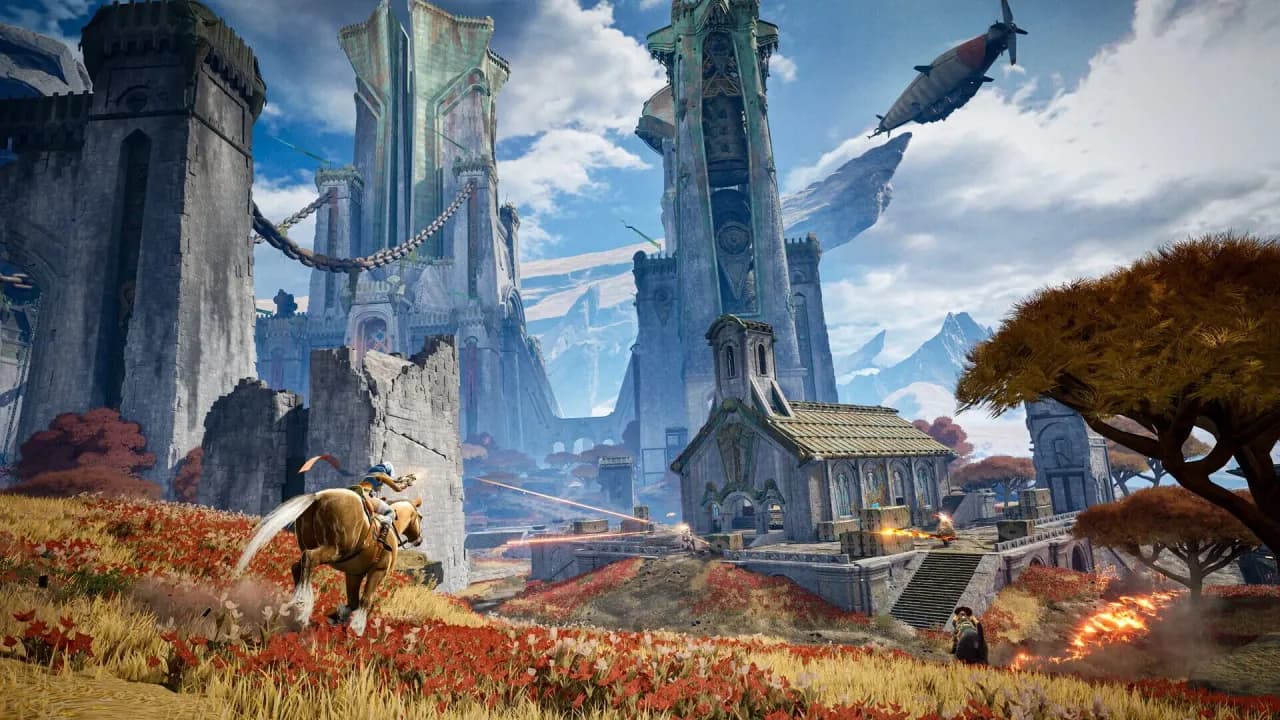
Highguard launched on February 4th, 2025, as a free-to-play tactical shooter featuring 5v5 competitive gameplay. The game received attention for its polished mechanics and visual presentation, but the timing of these layoffs (less than a month post-launch) raises questions about its commercial performance and the studio's financial runway.
The speed of these cuts is particularly striking. Most live-service games get at least a few months to find their audience before studios make drastic staffing decisions. Launching a competitive shooter into a market dominated by Valorant, Counter-Strike 2, and Rainbow Six Siege was always going to be an uphill battle, but cutting the team this quickly suggests Highguard's player numbers fell short of projections almost immediately.
Industry reaction#
The Game Awards host Geoff Keighley commented on the situation, calling it "an unfortunate, brutal, and sad outcome" for the developers affected. PCGamesN reports that Keighley's statement reflects broader concerns about sustainability in the live-service shooter space, where competition remains fierce.
Keighley's response resonates because this pattern has become depressingly familiar. We've seen it with Knockout City, Rumbleverse, Hyper Scape, and countless other multiplayer games that launched with promise but couldn't sustain a playerbase. The live-service model demands constant engagement, and if a game doesn't hook players in the first few weeks, it's incredibly difficult to recover.
The competitive shooter genre is especially unforgiving. Players invest hundreds or thousands of hours mastering mechanics, learning maps, and building muscle memory. Convincing someone to abandon their main game for a new one requires more than just solid fundamentals - it needs a compelling hook, whether that's innovative gameplay, a thriving esports' scene, or a massive content pipeline. Highguard apparently didn't crack that formula.
Wildlight has not disclosed specific numbers regarding how many employees were affected or what the "core group" consists of. The studio also hasn't detailed what ongoing support will look like for Highguard players, though they've committed to continued development. The vagueness here is concerning. "Continued development" could mean anything from a full seasonal roadmap to basic server maintenance and bug fixes.
What this means for Highguard#
While the game will continue operating with a reduced team, the layoffs signal a challenging road ahead for a new live-service title that needs consistent content updates and community management to retain players. The studio's ability to deliver on its roadmap remains uncertain.
Live-service games live or die by their content cadence. Players expect new maps, agents or characters, balance patches, seasonal events, and battle passes on a predictable schedule. A skeleton crew simply can't maintain that pace. Even if Wildlight's remaining developers are talented and dedicated, there are only so many hours in a day.
This creates a vicious cycle. Slower content updates lead to player attrition. Fewer players mean less revenue from cosmetics and battle passes. Less revenue makes it harder to justify keeping servers running or investing in marketing. We've seen this death spiral play out repeatedly in the F2P space.
The community response will be critical. If Highguard's existing playerbase sticks around and remains vocal about wanting the game to succeed, there's a slim chance the studio can stabilize and rebuild. But if players start jumping ship (and the layoff news will absolutely accelerate that), the game could be in maintenance mode by summer.
There's also the question of trust. Why should players invest time and money into a game when the studio just gutted its development team? Battle passes and cosmetics are only valuable if you believe the game will still be around in six months. These layoffs send the opposite message.
For the developers who lost their jobs, this is another reminder of how precarious game development can be, especially in the live-service space. You can ship a polished, well-reviewed game and still find yourself out of work weeks later because the business model didn't pan out. It's a brutal reality that the industry still hasn't figured out how to address.