

Crimson Desert Dev Takes a Stand: No Microtransactions, Period
Pearl Abyss commits to premium, single-purchase experience for upcoming action-RPG

A Premium Promise#
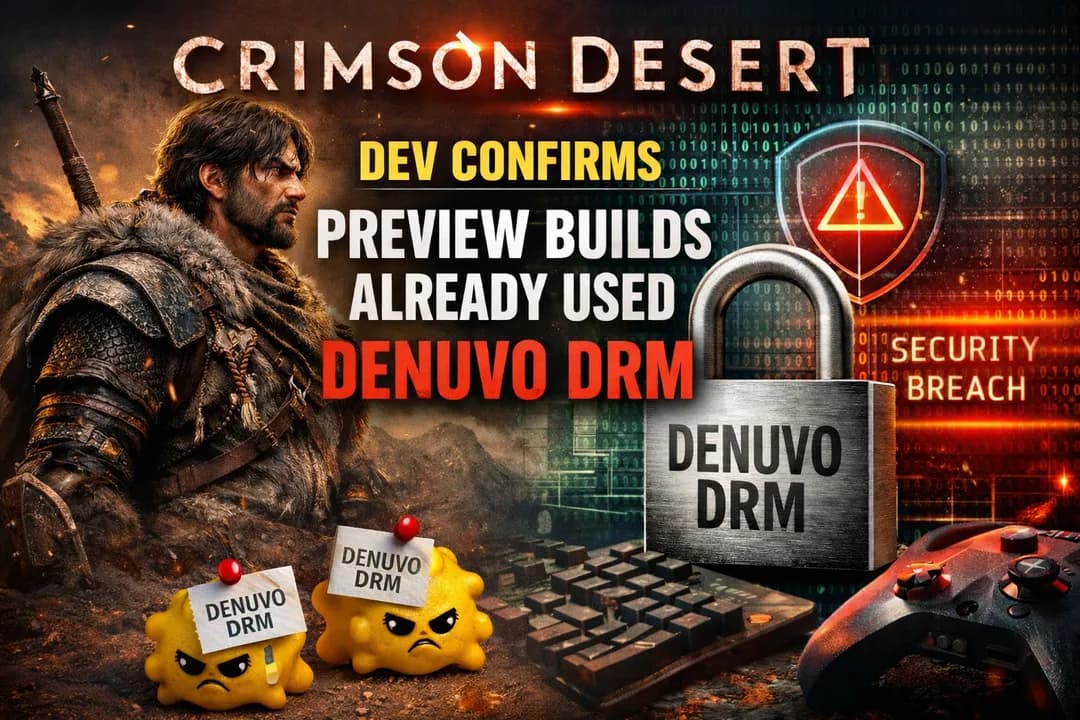
Pearl Abyss has made a bold statement about their upcoming action-RPG Crimson Desert: there will be no microtransactions whatsoever. Speaking with press, the developer made their position crystal clear: "This is a premium experience. That is the transaction. Full stop."
This announcement is particularly noteworthy given Pearl Abyss's history with Black Desert Online, a game known for its extensive cash shop and monetization systems. BDO's store has long been a point of contention within its community, with players frequently debating the cost of convenience items, cosmetics that can run $30+ per outfit, and various quality-of-life features locked behind paywalls. The studio appears to be taking a completely different approach with Crimson Desert, treating it as a traditional premium single-player experience rather than a live-service title.
What This Means for Players#
The commitment extends beyond just avoiding pay-to-win mechanics:
No microtransactions of any kind - not even the "harmless" ones
No cosmetic cash shop for character customization - all gear and appearance options earned through gameplay
Complete experience included in the base purchase - no content carved out for later sale
A return to traditional game design philosophy - progression systems built around gameplay, not monetization
This means every armor set, weapon skin, and character customization option you see in Crimson Desert will be something you can actually earn by playing the game. No separate currency, no battle passes, no "just cosmetic" store tabs cluttering the UI. It's a design philosophy that was standard a decade ago but has become increasingly rare, even in single-player focused titles.
Why This Matters#
In an era where even premium single-player games often include cosmetic stores or season passes, Pearl Abyss's stance feels like a breath of fresh air. We've seen this creep happen gradually: first it was just horse armor, then cosmetic skins, then battle passes in single-player games, and eventually full-blown stores in $70 titles. The industry has normalized the idea that a $60-70 purchase is just the entry fee, with the "real" content available for additional cost.
Pearl Abyss is betting that players will appreciate a complete, self-contained experience without the constant pull of additional purchases. It's a gamble that could pay off significantly. The studio is essentially saying they believe the game itself is strong enough to justify a premium price without needing to nickel-and-dime players afterward. That's confidence in your product.
There's also a practical consideration here: designing around a single purchase point means the entire game can be balanced and paced without worrying about funneling players toward a store. Loot drops can be exciting again. Rare cosmetics can actually be rare. Progression systems don't need to be artificially slowed to encourage "time-saver" purchases. The game can just be a game.
The Bigger Picture#
This decision puts Crimson Desert in interesting company. While most AAA publishers have embraced games-as-a-service models even for narrative-driven titles, a handful of studios have stuck to the traditional model with notable success. FromSoftware's approach with Elden Ring (minimal DLC, no microtransactions) helped it become one of the best-selling games of 2022. CD Projekt Red, despite Cyberpunk 2077's rocky launch, maintained a no-microtransactions stance that resonated with players.
The timing is also significant. With Crimson Desert slated for release later this year, this commitment could set it apart in a crowded marketplace where action-RPGs are increasingly common but truly complete, single-purchase experiences are becoming rare. It's a clear differentiator that could attract players tired of being upsold in every game they buy.
Of course, the proof will be in the execution. A game without microtransactions is only as good as the game itself. But at least Pearl Abyss is removing one potential point of friction before players even boot up for the first time.
What do you think about this approach? Is this the kind of monetization model you'd like to see more studios adopt? Does Pearl Abyss's history with Black Desert make this commitment more or less surprising to you?